

Global Power Grid Bottlenecks Impacting Energy Transition Projects Market, Size & Forecast 2021-2032
- Global Markets
- Feb 2026
- Pages 300
- Report Format: pdf
- Report Price: $3500 USD
The Global Power Grid Bottlenecks Impacting Energy Transition Projects Market is expected to experience substantial growth between 2026 and 2032 because of the worldwide increase in renewable energy deployment and electrification projects. The fast growth of solar power and wind energy together with energy storage systems is overwhelming existing transmission and distribution systems which leads to delays in interconnection processes and creates grid congestion and stability problems. Governments and utilities in both developed countries and emerging markets are making substantial investments to modernize electrical grids and establish digital monitoring systems and develop high-voltage transmission networks which will facilitate the integration of clean energy sources.
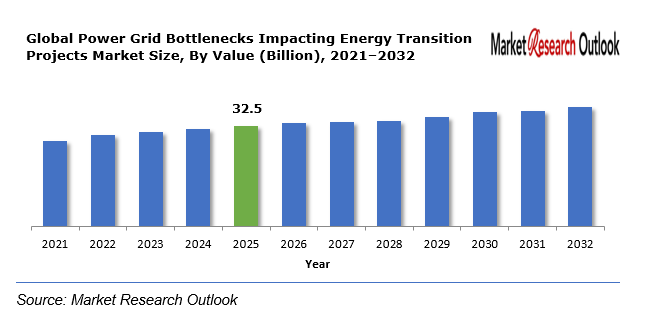
The Global Power Grid Bottlenecks Impacting Energy Transition Projects Market size was estimated at USD 32.5 Billion in 2025. During the forecast period, the Global Power Grid Bottlenecks Impacting Energy Transition Projects Market size is projected to grow at a CAGR of 18.6% reaching a value of USD 107.4 Billion by 2032. The market growth is driven by rising renewable energy installations and increasing electricity demand from electrification initiatives and growing investments in grid expansion and digitalization. The rapid deployment of renewable energy sources together with the electrification of industrial processes and transportation systems has created an extraordinary need for transmission and distribution infrastructure upgrades. Governments and utilities are making grid resilience and flexibility and capacity expansion their top priorities because they want to improve renewable project commissioning times. The adoption of energy storage systems and digital grid monitoring technologies has become more common because these systems help operators achieve better performance and stability on their grids. The global investment priority for governments will continue to focus on grid bottleneck resolution as countries speed up their net-zero target achievements.
Power Grid Bottlenecks Impacting Energy Transition Projects – Overview
Power grid bottlenecks which affect energy transition projects occur because transmission and distribution systems create operational limitations that prevent the full integration and use of renewable and low-carbon energy sources. The transmission capacity limitations together with the delayed grid interconnections and the regulatory approval difficulties and the stability problems from intermittent renewable generation create the existing bottlenecks. Grid infrastructure functions as a crucial component that enables the energy transition process by providing dependable electricity transmission from renewable generation sites to demand centers.
Global Power Grid Bottlenecks Impacting Energy Transition Projects Market
Growth Drivers
Rapid Expansion of Renewable Energy Projects
The shift toward renewable energy sources throughout the world functions as the primary reason which creates grid bottleneck problems that require additional investment. Governments and private developers are deploying large-scale solar, wind, and hybrid renewable projects to meet decarbonization targets and reduce reliance on fossil fuels. However, existing grid infrastructure in many regions lacks sufficient capacity to accommodate new renewable power generation, which results in both grid congestion and energy curtailment.
Challenges
Interconnection Delays and Infrastructure Limitations
The development of renewable energy and energy transition projects faces two major obstacles, which include grid interconnection delays and restricted transmission capacity. In multiple countries, renewable energy developers must wait extended periods to obtain grid connection approvals because existing networks are saturated and the regulatory process is complicated. The delays result in increased expenses for projects while creating unpredictable conditions for both investors and developers. The existing challenges become worse because of aging grid systems and the lack of funds for building transmission and distribution networks.
Geopolitical Impact on Global Power Grid Bottlenecks Impacting Energy Transition Projects Market
The Global Power Grid Bottlenecks Impacting Energy Transition Projects Market experiences major effects from geopolitical elements which determine energy infrastructure funding and supply chain operations. The international trade relations together with regional conflicts and energy security issues determine which essential grid components including transformers and cables and power electronics become available. The times required to complete projects and the expenses needed to implement grid expansion and modernization projects will change because of commodity price shifts and supply chain interruptions. The development of grid infrastructure receives its direction from government policies which establish energy security requirements and renewable energy goals and international electricity trade regulations. Energy independence and decarbonization objectives drive regions to increase their investments in domestic grid infrastructure and interconnector systems which will decrease their dependence on foreign energy sources.
Global Power Grid Bottlenecks Impacting Energy Transition Projects Market
Segmental Coverage
Global Power Grid Bottlenecks Impacting Energy Transition Projects Market – By Bottleneck Type
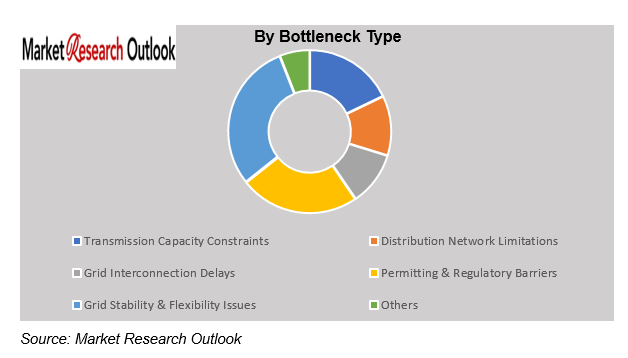
Based on bottleneck type, the market is segmented into Transmission Capacity Constraints, Distribution Network Limitations, Grid Interconnection Delays, Permitting & Regulatory Barriers, Grid Stability & Flexibility Issues, and Others. The current market situation will be controlled by transmission capacity constraints because multiple regions struggle to deliver renewable energy from generation areas to their power consumption locations. The project schedules face major difficulties because of both interconnection delays and existing regulatory obstacles. The upcoming forecast period will see grid modernization investments and policy changes solve existing bottleneck problems.
Global Power Grid Bottlenecks Impacting Energy Transition Projects Market – By End User
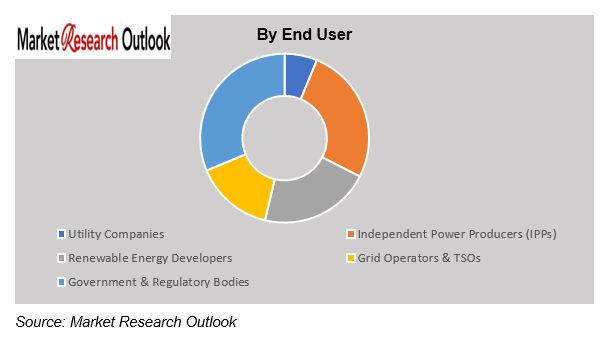
Based on end user, the market is segmented into Utility Companies, Independent Power Producers (IPPs), Renewable Energy Developers, Grid Operators & TSOs, and Government & Regulatory Bodies. Grid operators and utility companies form the largest market segment because they manage grid systems while executing system improvements. Renewable energy developers and independent power producers need grid expansion and digital system solutions to achieve better project deployment through faster interconnection and enhanced grid reliability. Government initiatives and regulatory support will play a crucial role in accelerating investments across all end-user segments.
Competitive Landscape
Key participants in the Global Power Grid Bottlenecks Impacting Energy Transition Projects market include Siemens Energy, Hitachi Energy, General Electric (GE Grid Solutions), ABB Ltd., Schneider Electric, Eaton Corporation, Mitsubishi Electric, Toshiba Energy Systems & Solutions, State Grid Corporation of China, China Southern Power Grid, Nexans, Prysmian Group, and other prominent players.
These companies are implementing strategic growth initiatives in order to gain a competitive advantage. The strategies being largely adopted include mergers and acquisitions, strategic alliances, joint ventures, licensing agreements, and new product launches. With the implementation of these strategies, the market participants aim to increase product portfolios, as well as enhance regional presence for long-term sustainable business growth in the Power Grid Bottlenecks Impacting Energy Transition Projects industry of Global.
Scope of the Report
| Attributes | Details |
| Years Considered | Historical Data – 2021–2025
Base Year – 2025 Estimated Year – 2026 Forecast Period – 2026–2032 |
| Facts Covered | Revenue in USD Billion |
| Market Coverage | Global |
| Product/ Service Segmentation | Bottleneck Type, Grid Component, Energy Source Impacted, Voltage Level, Solution Type, End User, Region |
| Key Players | Siemens Energy, Hitachi Energy, General Electric (GE Grid Solutions), ABB Ltd., Schneider Electric, Eaton Corporation, Mitsubishi Electric, Toshiba Energy Systems & Solutions, State Grid Corporation of China, China Southern Power Grid, Nexans, Prysmian Group, and other prominent players. |
Market Segmentation
- By Bottleneck Type
- Transmission Capacity Constraints
- Distribution Network Limitations
- Grid Interconnection Delays
- Permitting & Regulatory Barriers
- Grid Stability & Flexibility Issues
- Others
- By Grid Component
- Transmission Lines
- Substations & Transformers
- Distribution Networks
- Grid Monitoring & Control Systems
- Energy Storage Systems
- Interconnectors
- By Energy Source Impacted
- Solar Power Projects
- Wind Power Projects (Onshore & Offshore)
- Hydropower Projects
- Green Hydrogen Projects
- Battery Energy Storage Projects
- Hybrid Renewable Projects
- By Voltage Level
- High Voltage Transmission
- Medium Voltage Distribution
- Low Voltage Networks
- Ultra High Voltage (UHV) Transmission
- By Solution Type
- Grid Expansion & Upgradation
- Smart Grid & Digitalization
- Energy Storage Deployment
- Flexible AC Transmission Systems (FACTS)
- HVDC Transmission Solutions
- Demand Response & Load Management
- By End User
- Utility Companies
- Independent Power Producers (IPPs)
- Renewable Energy Developers
- Grid Operators & TSOs
- Government & Regulatory Bodies
- By Region
- North America
- Europe
- Asia Pacific (APAC)
- Latin America (LATAM)
- Middle East and Africa (MEA)
- Research Framework
- Research Objective
- Product Overview
- Market Segmentation
- Executive Summary
- Global Power Grid Bottlenecks Impacting Energy Transition Projects Market Insights
- Growth Drivers
- Restraints
- Opportunities
- Challenges
- Technological Advancements/Recent Developments
- Porter’s Five Forces Analysis
- Industry Value Chain & Entry Points
- Grid-First Failure Analysis
- Major Grid Failure Points in Energy Transition Projects
- Transmission vs Distribution Failure Mapping
- Project Delay Case Examples (Solar, Wind, Hydrogen)
- Interconnection Queue & Approval Failure Trends
- Strategic Implications for Developers & Utilities
- Global Power Grid Bottlenecks Impacting Energy Transition Projects Market: Regulatory Framework
- Global Power Grid Bottlenecks Impacting Energy Transition Projects Market: Marketing Strategies
- Global Power Grid Bottlenecks Impacting Energy Transition Projects Market Overview
- Market Size & Forecast, 2021-2032
- By Value (USD Billion)
- Market Share & Forecast
- By Bottleneck Type
- Transmission Capacity Constraints
- Distribution Network Limitations
- Grid Interconnection Delays
- Permitting & Regulatory Barriers
- Grid Stability & Flexibility Issues
- Others
- By Grid Component
- Transmission Lines
- Substations & Transformers
- Distribution Networks
- Grid Monitoring & Control Systems
- Energy Storage Systems
- Interconnectors
- By Energy Source Impacted
- Solar Power Projects
- Wind Power Projects (Onshore & Offshore)
- Hydropower Projects
- Green Hydrogen Projects
- Battery Energy Storage Projects
- Hybrid Renewable Projects
- By Voltage Level
- High Voltage Transmission
- Medium Voltage Distribution
- Low Voltage Networks
- Ultra High Voltage (UHV) Transmission
- By Solution Type
- Grid Expansion & Upgradation
- Smart Grid & Digitalization
- Energy Storage Deployment
- Flexible AC Transmission Systems (FACTS)
- HVDC Transmission Solutions
- Demand Response & Load Management
- By End User
- Utility Companies
- Independent Power Producers (IPPs)
- Renewable Energy Developers
- Grid Operators & TSOs
- Government & Regulatory Bodies
- By Region
- North America
- Europe
- Asia Pacific (APAC)
- Latin America (LATAM)
- Middle East and Africa (MEA)
- By Bottleneck Type
- Market Size & Forecast, 2021-2032
- North America Power Grid Bottlenecks Impacting Energy Transition Projects Market
- Market Size & Forecast, 2021-2032
- By Value (USD Billion)
- Market Share & Forecast
- By Bottleneck Type
- By Grid Component
- By Energy Source Impacted
- By Voltage Level
- By Solution Type
- By End User
- By Country
- United States
- By Bottleneck Type
- By Grid Component
- By Energy Source Impacted
- By Voltage Level
- By Solution Type
- By End User
- Canada
- By Bottleneck Type
- By Grid Component
- By Energy Source Impacted
- By Voltage Level
- By Solution Type
- By End User
- Europe Power Grid Bottlenecks Impacting Energy Transition Projects Market
- Market Size & Forecast, 2021-2032
- By Value (USD Billion)
- Market Share & Forecast
- By Bottleneck Type
- By Grid Component
- By Energy Source Impacted
- By Voltage Level
- By Solution Type
- By End User
- By Country
- Germany
- By Bottleneck Type
- By Grid Component
- By Energy Source Impacted
- By Voltage Level
- By Solution Type
- By End User
- United Kingdom
- By Bottleneck Type
- By Grid Component
- By Energy Source Impacted
- By Voltage Level
- By Solution Type
- By End User
- Italy
- By Bottleneck Type
- By Grid Component
- By Energy Source Impacted
- By Voltage Level
- By Solution Type
- By End User
- France
- By Bottleneck Type
- By Grid Component
- By Energy Source Impacted
- By Voltage Level
- By Solution Type
- By End User
- Spain
- By Bottleneck Type
- By Grid Component
- By Energy Source Impacted
- By Voltage Level
- By Solution Type
- By End User
- Belgium
- By Bottleneck Type
- By Grid Component
- By Energy Source Impacted
- By Voltage Level
- By Solution Type
- By End User
- Russia
- By Bottleneck Type
- By Grid Component
- By Energy Source Impacted
- By Voltage Level
- By Solution Type
- By End User
- The Netherlands
- By Bottleneck Type
- By Grid Component
- By Energy Source Impacted
- By Voltage Level
- By Solution Type
- By End User
- Rest of Europe
- By Bottleneck Type
- By Grid Component
- By Energy Source Impacted
- By Voltage Level
- By Solution Type
- By End User
- Asia Pacific Power Grid Bottlenecks Impacting Energy Transition Projects Market
- Market Size & Forecast, 2021-2032
- By Value (USD Billion)
- Market Share & Forecast
- By Bottleneck Type
- By Grid Component
- By Energy Source Impacted
- By Voltage Level
- By Solution Type
- By End User
- By Country
- China
- By Bottleneck Type
- By Grid Component
- By Energy Source Impacted
- By Voltage Level
- By Solution Type
- By End User
- India
- By Bottleneck Type
- By Grid Component
- By Energy Source Impacted
- By Voltage Level
- By Solution Type
- By End User
- Japan
- By Bottleneck Type
- By Grid Component
- By Energy Source Impacted
- By Voltage Level
- By Solution Type
- By End User
- South Korea
- By Bottleneck Type
- By Grid Component
- By Energy Source Impacted
- By Voltage Level
- By Solution Type
- By End User
- Australia & New Zealand
- By Bottleneck Type
- By Grid Component
- By Energy Source Impacted
- By Voltage Level
- By Solution Type
- By End User
- Indonesia
- By Bottleneck Type
- By Grid Component
- By Energy Source Impacted
- By Voltage Level
- By Solution Type
- By End User
- Malaysia
- By Bottleneck Type
- By Grid Component
- By Energy Source Impacted
- By Voltage Level
- By Solution Type
- By End User
- Singapore
- By Bottleneck Type
- By Grid Component
- By Energy Source Impacted
- By Voltage Level
- By Solution Type
- By End User
- Vietnam
- By Bottleneck Type
- By Grid Component
- By Energy Source Impacted
- By Voltage Level
- By Solution Type
- By End User
- Rest of APAC
- By Bottleneck Type
- By Grid Component
- By Energy Source Impacted
- By Voltage Level
- By Solution Type
- By End User
- Latin America Power Grid Bottlenecks Impacting Energy Transition Projects Market
- Market Size & Forecast, 2021-2032
- By Value (USD Billion)
- Market Share & Forecast
- By Bottleneck Type
- By Grid Component
- By Energy Source Impacted
- By Voltage Level
- By Solution Type
- By End User
- By Country
- Brazil
- By Bottleneck Type
- By Grid Component
- By Energy Source Impacted
- By Voltage Level
- By Solution Type
- By End User
- Mexico
- By Bottleneck Type
- By Grid Component
- By Energy Source Impacted
- By Voltage Level
- By Solution Type
- By End User
- Argentina
- By Bottleneck Type
- By Grid Component
- By Energy Source Impacted
- By Voltage Level
- By Solution Type
- By End User
- Peru
- By Bottleneck Type
- By Grid Component
- By Energy Source Impacted
- By Voltage Level
- By Solution Type
- By End User
- Rest of LATAM
- By Bottleneck Type
- By Grid Component
- By Energy Source Impacted
- By Voltage Level
- By Solution Type
- By End User
- Middle East & Africa Power Grid Bottlenecks Impacting Energy Transition Projects Market
- Market Size & Forecast, 2021-2032
- By Value (USD Billion)
- Market Share & Forecast
- By Bottleneck Type
- By Grid Component
- By Energy Source Impacted
- By Voltage Level
- By Solution Type
- By End User
- By Country
- Saudi Arabia
- By Bottleneck Type
- By Grid Component
- By Energy Source Impacted
- By Voltage Level
- By Solution Type
- By End User
- UAE
- By Bottleneck Type
- By Grid Component
- By Energy Source Impacted
- By Voltage Level
- By Solution Type
- By End User
- Qatar
- By Bottleneck Type
- By Grid Component
- By Energy Source Impacted
- By Voltage Level
- By Solution Type
- By End User
- Kuwait
- By Bottleneck Type
- By Grid Component
- By Energy Source Impacted
- By Voltage Level
- By Solution Type
- By End User
- South Africa
- By Bottleneck Type
- By Grid Component
- By Energy Source Impacted
- By Voltage Level
- By Solution Type
- By End User
- Nigeria
- By Bottleneck Type
- By Grid Component
- By Energy Source Impacted
- By Voltage Level
- By Solution Type
- By End User
- Algeria
- By Bottleneck Type
- By Grid Component
- By Energy Source Impacted
- By Voltage Level
- By Solution Type
- By End User
- Rest of MEA
- By Bottleneck Type
- By Grid Component
- By Energy Source Impacted
- By Voltage Level
- By Solution Type
- By End User
- Demand Outlook & Customer Adoption Dynamics
- Demand Evolution by End-Use Industry
- Purchasing Behavior & Supplier Selection Criteria
- Demand Visibility & Contracting Trends
- Regional Demand Concentration & Customer Clusters
- Competitive Landscape
- List of Key Players and Their Products
- Global Power Grid Bottlenecks Impacting Energy Transition Projects Company Market Share Analysis, 2025
- Competitive Benchmarking, By Operating Parameters
- Key Strategic Developments (Mergers, Acquisitions, Partnerships, etc.)
- Geopolitical Impact on Global Power Grid Bottlenecks Impacting Energy Transition Projects Market
- Company Profile
- Siemens Energy
- Introduction & Company Profile
- Product Benchmarking
- Strategic Outlook
- Key Personals
- Key Competitors
- Financial Analysis
- SWOT Analysis
- Siemens Energy
- Saudi Arabia
- Market Size & Forecast, 2021-2032
- Brazil
- Market Size & Forecast, 2021-2032
- China
- Market Size & Forecast, 2021-2032
- Germany
- Market Size & Forecast, 2021-2032
- United States
- Market Size & Forecast, 2021-2032
**(same data pointers will be provided for the below companies)
- Hitachi Energy
- General Electric
- ABB Ltd.
- Schneider Electric
- Eaton Corporation
- Mitsubishi Electric
- Toshiba Energy Systems & Solutions
- State Grid Corporation of China
- China Southern Power Grid
- Nexans
- Prysmian Group
- Other Prominent Players
- Key Strategic Recommendations
- Research Methodology
- Qualitative Research
- Primary & Secondary Research
- Quantitative Research
- Market Breakdown & Data Triangulation
- Secondary Research
- Primary Research
- Breakdown of Primary Research Respondents, By Region
- Assumptions & Limitations
- Qualitative Research
*Financial information of case of non-listed companies can be provided as per availability.
**The segmentation and the companies are subject to modifications based on in-depth secondary research for the final deliverable
Frequently Asked Questions
1. What is the expected growth rate of the Global Power Grid Bottlenecks Impacting Energy Transition Projects Market during the forecast period?
Ans: The Global Power Grid Bottlenecks Impacting Energy Transition Projects Market size was estimated at USD 32.5 billion in 2025.
2. What is the expected growth rate of the Global Power Grid Bottlenecks Impacting Energy Transition Projects Market during the forecast period?
Ans: Global Power Grid Bottlenecks Impacting Energy Transition Projects Market is expected to grow at a CAGR of around 18.6% during the forecast period between 2026 and 2032.
3. What is the forecast value of the Global Power Grid Bottlenecks Impacting Energy Transition Projects Market by 2032?
Ans: The Global Power Grid Bottlenecks Impacting Energy Transition Projects Market is projected to reach a value of approximately USD 107.4 Billion by 2032.
4. What are the major factors driving the growth of the Global Power Grid Bottlenecks Impacting Energy Transition Projects Market?
Ans: The market growth is driven by rising renewable energy installations and increasing electricity demand from electrification initiatives and growing investments in grid expansion and digitalization.
5. Name the key players operating in the Global Power Grid Bottlenecks Impacting Energy Transition Projects Market.
Ans: The key players of Global Power Grid Bottlenecks Impacting Energy Transition Projects Market are Siemens Energy, Hitachi Energy, General Electric (GE Grid Solutions), ABB Ltd., Schneider Electric, Eaton Corporation, Mitsubishi Electric, Toshiba Energy Systems & Solutions, State Grid Corporation of China, China Southern Power Grid, Nexans, Prysmian Group, and other prominent players.
6. Which is the fastest-growing end user segment in the Global Power Grid Bottlenecks Impacting Energy Transition Projects Market?
Ans: Grid operators and utility companies form the largest market segment because they manage grid systems while executing system improvements.
7. Which region contributes significantly to the growth of the Global Power Grid Bottlenecks Impacting Energy Transition Projects Market?
Ans: The forecast period will show significant growth for North America because of four factors. The first factor is increased investments which support grid modernization projects.