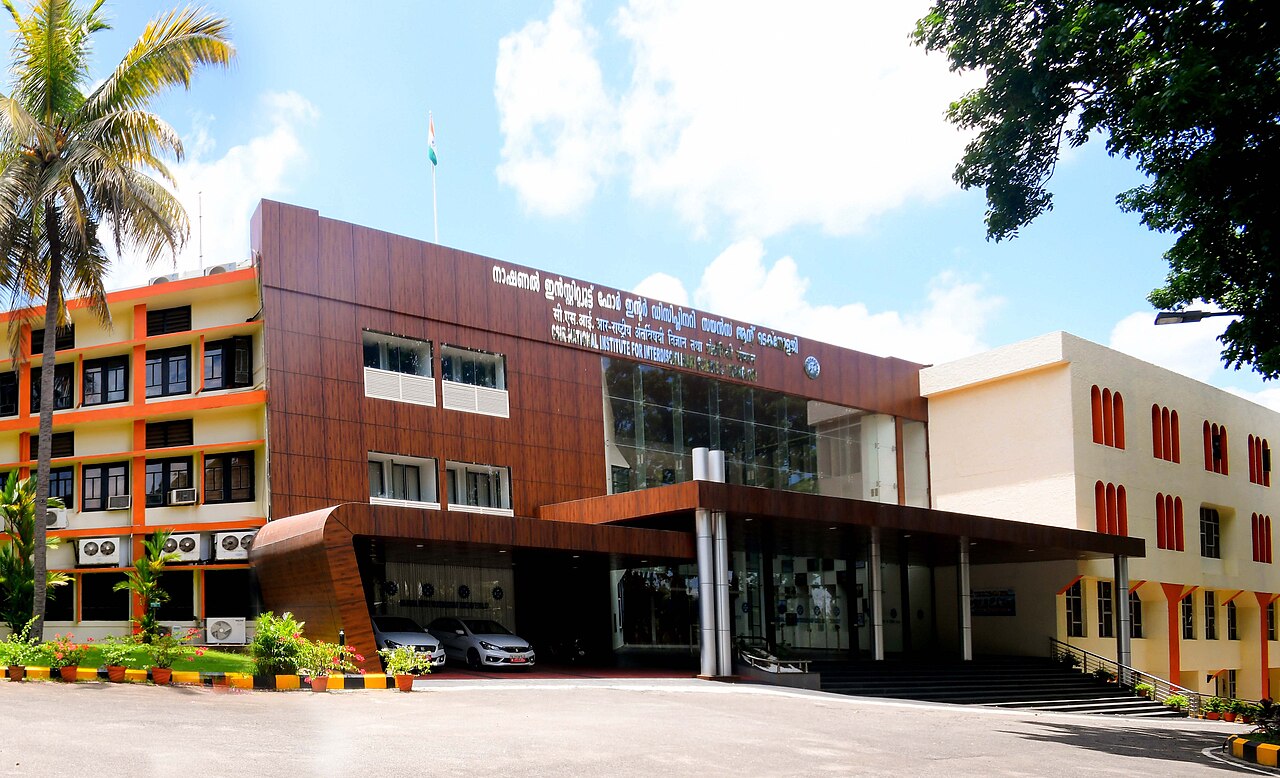
Tata Consumer Products has formalised the transfer of multiple food and nutrition-focused technologies from CSIR–NIIST as the company steps up its focus on science-backed food and beverage innovation.
The collaboration includes technology transfers for smarter rice and coffee crema technologies, alongside a sponsored research agreement focused on low-sodium salt formulations. The partnership is aimed at supporting broader goals linked to nutrition, food security, and public health while strengthening the commercialisation of indigenous food technologies in India.
Focus on Functional and Health-Oriented Food Innovation
One of the central technologies in the partnership is CSIR–NIIST’s nutritionally enhanced “Smarter Rice” formulation. The technology has been designed to offer higher protein content, lower glycaemic index (GI), and improved micronutrient availability while maintaining familiarity for everyday rice consumers.
Tata Consumer Products said it plans to evaluate large-scale deployment opportunities and future consumer applications around the technology as demand for healthier staple food alternatives continues to rise.
The collaboration also brings in CSIR–NIIST’s indigenous coffee crema technology, which is intended to improve crema stability and overall sensory experience in brewed coffee. The company sees potential applications for the technology across its coffee portfolio, particularly in premium beverage formats where texture, aroma retention, and product experience have become increasingly important.
Research Collaboration Around Sodium Reduction
Alongside the technology transfers, Tata Consumer Products and CSIR–NIIST will jointly undertake sponsored research related to low-sodium salt innovation.
The research is expected to focus on developing application pathways that allow sodium reduction without compromising taste, an area that has become increasingly important amid rising consumer focus on wellness and preventive health.
Mr. Vikas Gupta, Global Head of R&D for Tata Consumer Products, said, “At Tata Consumer Products, we believe the future of food lies in responsible innovation that can improve everyday nutrition at scale. Our collaboration with CSIR–NIIST reflects a shared commitment to translating research into practical solutions that address key health and nutrition needs in India.
The designer rice innovation marks an important step in reimagining a staple food in a way that fits seamlessly into existing consumer habits, while supporting better nutrition and overall well-being. Similarly, the coffee crema technology reinforces our focus on enhancing product quality and consumer experience through homegrown innovation. Our work on low-sodium salt formulations aligns with our long-term commitment to enabling healthier choices without compromising on taste, an essential factor for sustained adoption and positive public health outcomes.
Together, these initiatives highlight our belief that science-led partnerships, when thoughtfully brought to market, can strengthen India’s food ecosystem and create meaningful, long-term value for consumers and the nation.”
Dr. C. Anandharamakrishnan, Director, CSIR-NIIST, said, “CSIR–NIIST is pleased to collaborate with Tata Consumer Products in advancing the societal impact of indigenous technologies. This partnership underscores the Institute’s mandate to translate laboratory output into solutions that contribute to national priorities in nutrition, wellness, and industrial competitiveness.”
Tata Consumer Products has a consolidated annual turnover of Rs. 17,618 Crs and reaches over 275 million households in India through brands spanning tea, coffee, salt, packaged foods, snacks, and ready-to-consume products.
Market Research Outlook Analysis
The partnership highlights how food and beverage companies in India are increasingly moving toward science-led product development focused on nutrition, wellness, and functional ingredients. Smart staples, sodium reduction technologies, and premium sensory enhancements are becoming key competitive areas as consumer demand shifts toward healthier everyday consumption.
The move could intensify competition across packaged foods, beverages, and functional nutrition categories, particularly as large FMCG players look to differentiate through proprietary formulations and research-backed innovation. It also signals a broader push toward commercialising indigenous food technologies developed through Indian research institutions.
The collaboration suggests Tata Consumer Products is positioning itself beyond conventional FMCG expansion by building long-term capability around health-oriented product ecosystems and premium food innovation.
For deeper insights or customised research on this segment, connect with our team at research@marketresearchoutlook.com