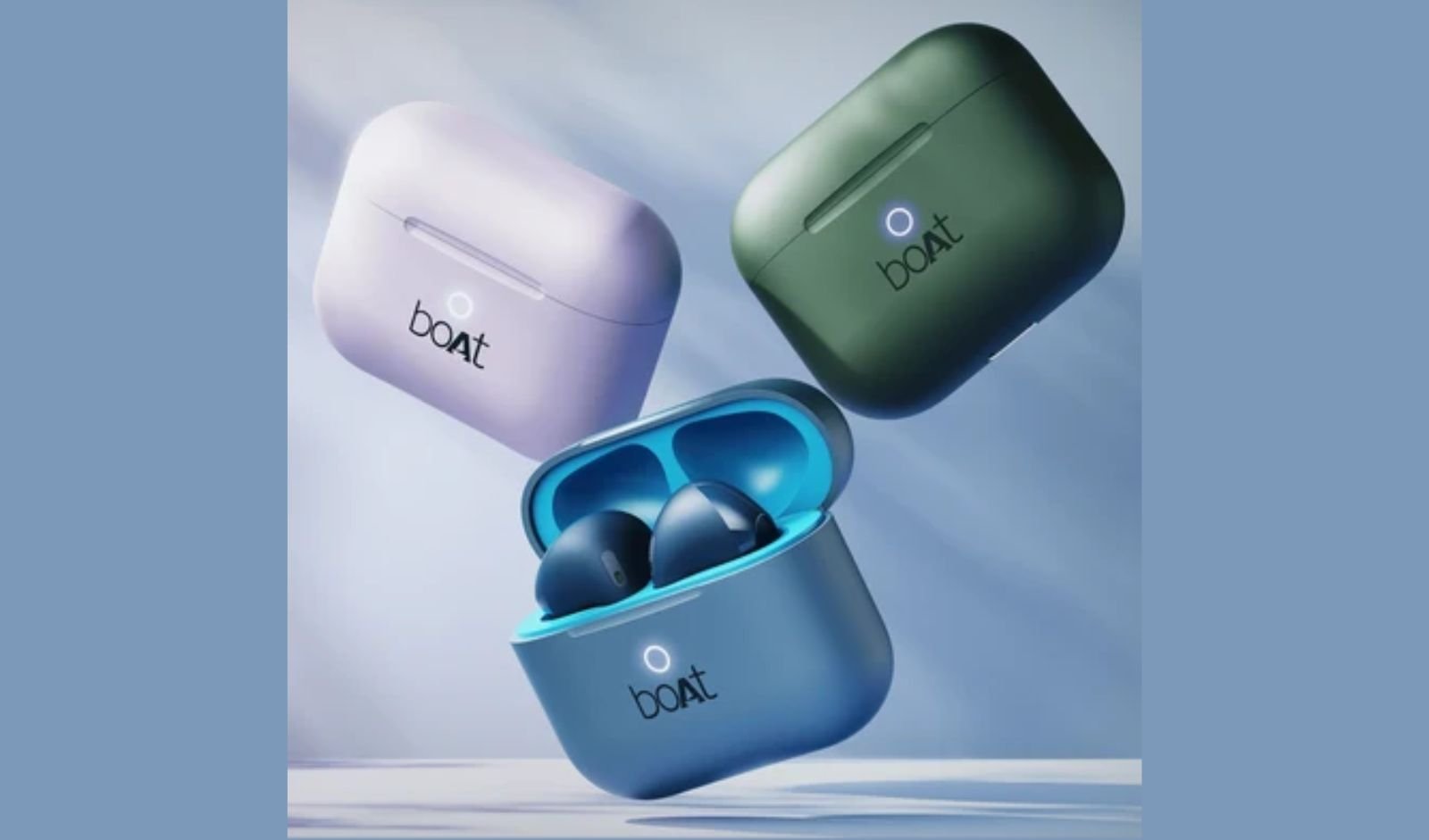
Consumer electronics brand boAt posted a 38% year-on-year jump in profit after tax (PAT) for FY26, even though revenue slipped for the third year running. PAT climbed to Rs 84.5 crore, up from Rs 61.1 crore in FY25. Profit before tax rose even faster, up 53% year-on-year to Rs 114.3 crore.
Revenue from operations dropped 4.6% to Rs 2,931 crore in FY26, down from Rs 3,073 crore the year before. That continues a decline that began in FY23, when revenue peaked at Rs 3,373 crore before sliding to Rs 3,122 crore in FY24 and Rs 3,073 crore in FY25.
Return on Capital Employed (ROCE) rose to 15.2% in FY26 from 11.5% a year earlier. The company closed the year with roughly Rs 397 crore in cash and no outstanding bank debt.
Inventory shrank about 10%, to Rs 294 crore from Rs 326 crore, while trade receivables stayed close to Rs 255 crore. Warranty costs fell sharply too, dropping nearly 30% to Rs 57.5 crore from Rs 82.6 crore in FY25.
boAt’s wearables business turned profitable again, posting Rs 7 crore in profit after a Rs 54 crore loss the previous year. Its remaining segments, covering charging solutions, cables and gaming products, saw combined profit rise to Rs 46 crore from Rs 14 crore.
The company is now looking to widen its product lineup under what it calls its “boAt 2.0” strategy, with plans to enter projectors, personal grooming devices, charging solutions and other lifestyle tech categories.
CEO Gaurav Nayyar pointed to the 38% PAT growth, the improved 15.2% ROCE and the Rs 397 crore cash position with zero bank debt as signs the company’s finances had strengthened. He noted that wearables had turned profitable and that newer categories were beginning to drive both growth and profit.
boAt is also moving ahead with its plans to go public.
Market Research Outlook: boAt’s shrinking revenue alongside rising profit points to a maturing consumer electronics market. Growth is slowing, and margin discipline now matters more than scale. With an IPO pending, investors will likely reward profitability and cash strength over topline growth, a shift other Indian D2C brands may soon follow.