

Japan Green Steel Market, Size & Forecast 2021-2032
- Global Markets
- Feb 2026
- Pages 150
- Report Format: pdf
- Report Price: $2400 USD
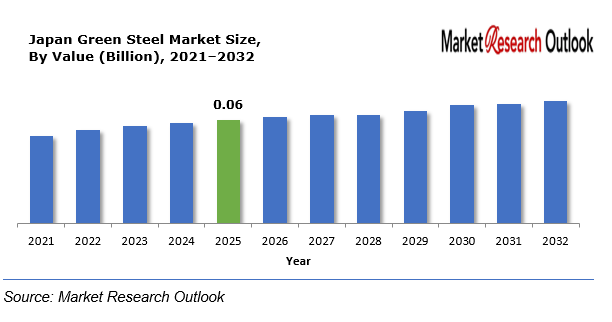
The Japan Green Steel Market size was estimated at USD 0.06 Billion in 2025. During the forecast period, the Japan Green Steel Market size is projected to grow at a CAGR of 26.8% reaching a value of USD 0.32 Billion by 2032. The Japan green steel market will show continuous growth until 2032 because the country maintains strong dedication to both carbon neutrality and industrial decarbonization. Japan has set a target to achieve net-zero emissions by 2050, which will lead steel manufacturers to implement hydrogen-based iron reduction and electric arc furnaces and carbon capture solutions as their preferred low-carbon technologies. Major steel manufacturers, including Nippon Steel and JFE Steel and Kobe Steel, are making substantial investments in green steel production to achieve lower emissions while meeting sustainability standards that apply in their home country and other countries around the world. The market growth receives additional support from Japan’s automotive and construction and electronics industries, which require sustainable materials. The demand for low-emission steel is increasing because electric vehicle production and renewable energy infrastructure are both expanding rapidly. Government support through funding programs, green innovation policies, and hydrogen infrastructure development is also accelerating the transition toward environmentally friendly steel production. The Japan green steel market will experience strong growth throughout the forecast period because technological developments and increasing demand for low-carbon industrial materials drive market expansion.
Green Steel – Overview
Green steel defines steel which manufacturers create through processes that use either low-carbon or carbon-free methods which generate lower greenhouse gas emissions than standard steel production methods. Traditional steelmaking relies on coal-based blast furnaces, which generate high levels of carbon dioxide. In contrast, green steel production uses advanced manufacturing processes that utilize hydrogen-based direct reduced iron (H-DRI) together with electric arc furnaces which operate on renewable energy sources and recycled scrap steel and carbon capture technologies. These methods minimize or eliminate fossil fuel use and reduce environmental impact.
Japan Green Steel Market
Growth Drivers
Rising Demand for Sustainable Materials
The growing need for eco-friendly materials drives the Japan green steel market to expand. The automotive and construction and infrastructure and renewable energy sectors are choosing to use low-carbon materials as their solution to achieve both environmental compliance and corporate sustainability objectives. Leading automotive manufacturers and construction industry companies are searching for green steel to decrease their carbon emissions from vehicles and buildings and infrastructure developments while they work to fulfill their net-zero targets and environmental social governance requirements. The increasing public knowledge about environmental issues and the rising investor demands for sustainable production methods are motivating manufacturers to adopt green steel in their supply chains which leads to faster market growth throughout Japan.
Challenges
High Production Cost
High production costs remain a major challenge for the growth of the Japan green steel market. The production of green steel through hydrogen-based direct reduction and renewable energy-powered electric arc furnaces and carbon capture technologies requires higher capital expenditures and operational costs than traditional coal-based steelmaking. The cost of green hydrogen, renewable electricity, and advanced infrastructure is still relatively high, which results in higher green steel costs for end users. This price gap restricts widespread adoption because it particularly affects cost-sensitive industries that include construction and manufacturing. The steel industry needs to overcome financial and technological challenges to adopt low-carbon production methods, which will delay industry growth until production expenses decrease and government policies enhance economic viability.
Geopolitical Impact on Japan Green Steel Market
The Japan green steel market experiences major impacts from geopolitical developments which affect energy security and raw material availability and international trade regulations. The Japanese steel industry needs to import iron ore and coking coal and energy resources which makes it vulnerable to international geopolitical conflicts and disruptions in supply chains. The Russia-Ukraine conflict together with energy-exporting region instability has caused fuel and raw material prices to rise which forces Japan to accelerate its transition to renewable energy and hydrogen-based steel production methods that need fewer imported fossil fuels. Japanese steel manufacturers are developing green steel technologies because they want to compete in international markets which require compliance with carbon border regulations and global decarbonization efforts.
Japan Green Steel Market
Segmental Coverage
Japan Green Steel Market – By Production Technology
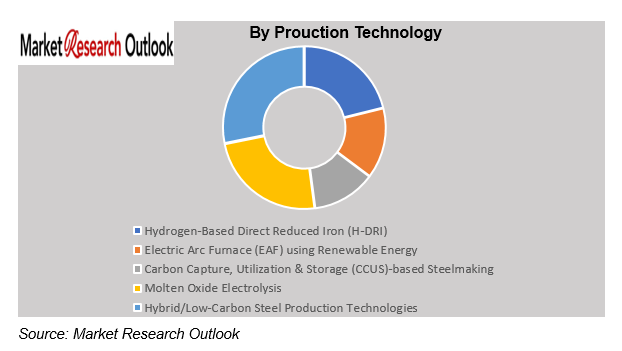
Based on production technology, the Japan Green Steel Market is segmented into Hydrogen-Based Direct Reduced Iron (H-DRI), Electric Arc Furnace (EAF) using Renewable Energy, Carbon Capture, Utilization & Storage (CCUS)-based Steelmaking, Molten Oxide Electrolysis and Hybrid/Low-Carbon Steel Production Technologies. The hydrogen-based direct reduced iron (H-DRI) segment will experience substantial expansion throughout the Japan green steel market between 2026 and 2032. The growth will occur because Japan plans to achieve carbon neutrality by 2050 while decreasing emissions from its coal-based steel manufacturing operations. Hydrogen-based DRI technology enables steel production with significantly lower carbon emissions by replacing coking coal with green hydrogen in the iron reduction process. Government support through green transformation (GX) policies and hydrogen infrastructure funding and research initiatives will drive the adoption of hydrogen-based processes. The hydrogen-based direct reduced iron segment will become a vital component that drives Japan’s green steel market growth throughout the forecast period because green hydrogen availability increases and renewable energy capacity develops in the country.
Japan Green Steel Market – By Application
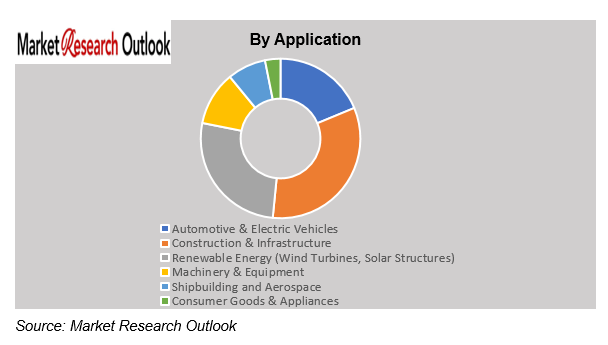
Based on application, the Japan Green Steel Market is segmented into Automotive & Electric Vehicles, Construction & Infrastructure, Renewable Energy (Wind Turbines, Solar Structures), Machinery & Equipment, Shipbuilding and Aerospace and Consumer Goods & Appliances. The Japan green steel market will experience strong expansion during the forecast period from 2026 until 2032 because of growth in the automotive and electric vehicle (EV) sector. Japan stands as one of the top automotive production countries in the world because major car manufacturers including Toyota and Honda and Nissan focus their efforts on decreasing carbon emissions throughout their entire supply networks. The need for green steel has increased because manufacturers want to create vehicles with low emissions while they try to fulfill worldwide sustainability requirements and environmental social governance standards. The rising demand for electric vehicles in Japan has created an increased need for green steel which manufacturers use to make vehicle bodies and structural parts and EV battery enclosures. Automakers establish partnerships with local steel manufacturers to obtain consistent deliveries of low-carbon steel which supports their carbon neutrality objectives. Government programs that promote clean transportation and hydrogen-based transportation and sustainable manufacturing methods provide assistance for automotive makers to adopt environmentally friendly materials in their production processes.
Competitive Landscape
Key participants in the Japan Green Steel market include Contemporary Nippon Steel Corporation, JFE Steel Corporation, Kobe Steel Ltd., Sumitomo Metal Mining, Tokyo Steel Manufacturing Co., Ltd., Daido Steel Co., Ltd., Yamato Steel Co., Ltd., Sanyo Special Steel Co., Ltd., Nakayama Steel Works, Ltd. and Aichi Steel Corporation and Other Prominent Players.
These companies are implementing strategic growth initiatives in order to gain a competitive advantage. The strategies being largely adopted include mergers and acquisitions, strategic alliances, joint ventures, licensing agreements, and new product launches. With the implementation of these strategies, the market participants aim to increase product portfolios, as well as enhance regional presence for long-term sustainable business growth in the Green Steel industry of Japan.
Scope of the Report
| Attributes | Details |
| Years Considered | Historical Data – 2021–2025
Base Year – 2025 Estimated Year – 2026 Forecast Period – 2026–2032 |
| Facts Covered | Revenue in USD Billion |
| Market Coverage | Japan |
| Product/ Service Segmentation | Production Technology, Energy Source, Product Type, Application |
| Key Players | Nippon Steel Corporation, JFE Steel Corporation, Kobe Steel Ltd., Sumitomo Metal Mining, Tokyo Steel Manufacturing Co., Ltd., Daido Steel Co., Ltd., Yamato Steel Co., Ltd., Sanyo Special Steel Co., Ltd., Nakayama Steel Works, Ltd. and Aichi Steel Corporation and Other Prominent Players. |
Market Segmentation
- By Production Technology
- Hydrogen-Based Direct Reduced Iron (H-DRI)
- Electric Arc Furnace (EAF) using Renewable Energy
- Carbon Capture, Utilization & Storage (CCUS)-based Steelmaking
- Molten Oxide Electrolysis
- Hybrid/Low-Carbon Steel Production Technologies
- By Energy Source
- Renewable Energy (Wind, Solar, Hydro)
- Green Hydrogen
- Natural Gas with Carbon Capture
- Biomass-based Energy
- Hybrid Energy Mix
- By Product Type
- Flat Steel (Sheets, Plates, Coils)
- Long Steel (Bars, Rods, Beams)
- Structural Steel
- Specialty and High-Strength Steel
- Green Stainless Steel
- By Application
- Automotive & Electric Vehicles
- Construction & Infrastructure
- Renewable Energy (Wind Turbines, Solar Structures)
- Machinery & Equipment
- Shipbuilding and Aerospace
- Consumer Goods & Appliances
- Research Framework
- Research Objective
- Product Overview
- Market Segmentation
- Executive Summary
- Japan Green Steel Market Insights
- Growth Drivers
- Restraints
- Opportunities
- Challenges
- Technology Advancements/Recent Developments
- Porter’s Five Forces Analysis
- Industry Value Chain & Entry Points
- Japan Green Steel Market: Regulatory Framework
- Japan Green Steel Market: Marketing Strategies
- Japan Green Steel Market Overview
- Market Size & Forecast, 2021-2032
- By Value (USD Billion)
- Market Share & Forecast
- By Production Technology
- Hydrogen-Based Direct Reduced Iron (H-DRI)
- Electric Arc Furnace (EAF) using Renewable Energy
- Carbon Capture, Utilization & Storage (CCUS)-based Steelmaking
- Molten Oxide Electrolysis
- Hybrid/Low-Carbon Steel Production Technologies
- By Energy Source
- Renewable Energy (Wind, Solar, Hydro)
- Green Hydrogen
- Natural Gas with Carbon Capture
- Biomass-based Energy
- Hybrid Energy Mix
- By Product Type
- Flat Steel (Sheets, Plates, Coils)
- Long Steel (Bars, Rods, Beams)
- Structural Steel
- Specialty and High-Strength Steel
- Green Stainless Steel
- By Application
- Automotive & Electric Vehicles
- Construction & Infrastructure
- Renewable Energy (Wind Turbines, Solar Structures)
- Machinery & Equipment
- Shipbuilding and Aerospace
- Consumer Goods & Appliances
- By Production Technology
- Market Size & Forecast, 2021-2032
- Demand Outlook & Customer Adoption Dynamics
- Demand Evolution by End-Use Industry
- Purchasing Behavior & Supplier Selection Criteria
- Demand Visibility & Contracting Trends
- Regional Demand Concentration & Customer Clusters
- Competitive Landscape
- List of Key Players and Their Offerings
- Japan Green Steel Company Market Share Analysis, 2025
- Competitive Benchmarking, By Operating Parameters
- Key Strategic Development (Mergers, Acquisitions, Partnerships, etc.)
- Geopolitical Impact on Japan Green Steel Market
- Company Profile
- Nippon Steel Corporation
- Introduction & Company Profile
- Product Benchmarking
- Strategic Outlook
- Key Personals
- Key Competitors
- Financial Analysis
- SWOT Analysis
- Nippon Steel Corporation
**(same data pointers will be provided for the below companies)
- JFE Steel Corporation
- Kobe Steel Ltd.
- Sumitomo Metal Mining
- Tokyo Steel Manufacturing Co., Ltd.
- Daido Steel Co., Ltd.
- Yamato Steel Co., Ltd.
- Sanyo Special Steel Co., Ltd.
- Nakayama Steel Works, Ltd.
- Aichi Steel Corporation
- Other Prominent Players
- Key Strategic Recommendations
- Research Methodology
- Qualitative Research
- Primary & Secondary Research
- Quantitative Research
- Market Breakdown & Data Triangulation
- Secondary Research
- Primary Research
- Breakdown of Primary Research Respondents, By Region
- Assumption & Limitation
- Qualitative Research
* Financial information in case of non-listed companies will be provided as per availability
**The segmentation and the companies are subjected to modifications based on in-depth secondary for the final deliverable
Frequently Asked Questions
1. What is the expected growth rate of the Japan Green Steel Market during the forecast period?
Ans: The Japan Green Steel Market size was estimated at USD 0.06 billion in 2025.
2. What is the expected growth rate of the Japan Green Steel Market during the forecast period?
Ans: Japan Green Steel Market is expected to grow at a CAGR of around 26.8% during the forecast period between 2026 and 2032.
3. What is the forecast value of the Japan Green Steel Market by 2032?
Ans: The Japan Green Steel Market is projected to reach a value of approximately USD 0.32 billion by 2032.
4. What are the major factors driving the growth of the Japan Green Steel Market?
Ans: The Japan green steel market will show continuous growth until 2032 because the country maintains strong dedication to both carbon neutrality and industrial decarbonization. Japan has set a target to achieve net-zero emissions by 2050, which will lead steel manufacturers to implement hydrogen-based iron reduction and electric arc furnaces and carbon capture solutions as their preferred low-carbon technologies.
5. Name the key players operating in the Japan Green Steel Market.
Ans: The key players of Japan Green Steel Market are Contemporary Nippon Steel Corporation, JFE Steel Corporation, Kobe Steel Ltd., Sumitomo Metal Mining, Tokyo Steel Manufacturing Co., Ltd., Daido Steel Co., Ltd., Yamato Steel Co., Ltd., Sanyo Special Steel Co., Ltd., Nakayama Steel Works, Ltd. and Aichi Steel Corporation and Other Prominent Players.
6. Which is the fastest-growing production technology segment in the Japan Green Steel Market?
Ans: The hydrogen-based direct reduced iron (H-DRI) segment will experience substantial expansion throughout the Japan green steel market between 2026 and 2032. The growth will occur because Japan plans to achieve carbon neutrality by 2050 while decreasing emissions from its coal-based steel manufacturing operations.